
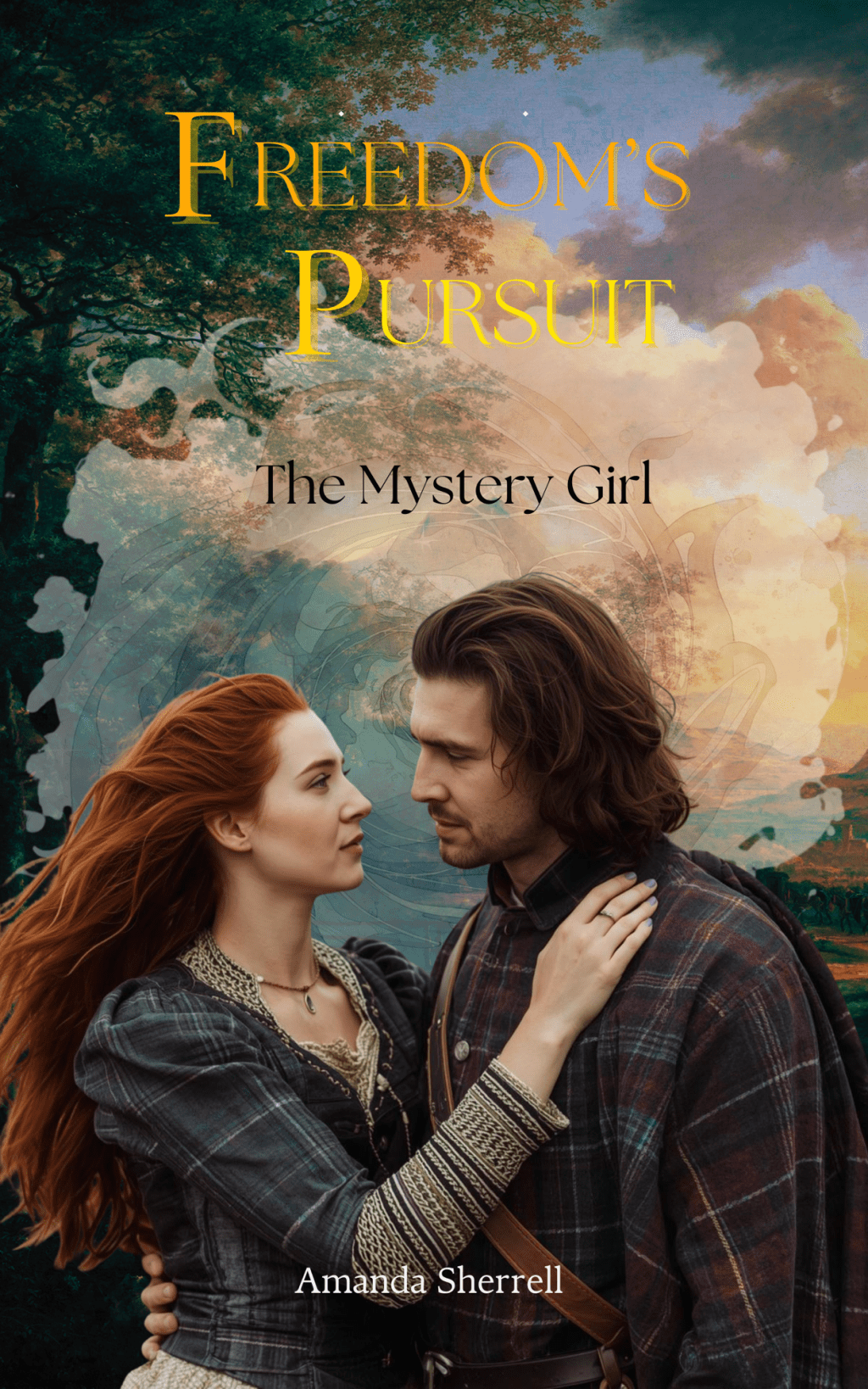
Some stories begin with a plan.
This one began with a question.
Several years ago, I found myself captivated by the sweeping beauty of Scottish storytelling. The Highlands, the culture, the clans, the rugged landscapes, and the powerful human stories that seemed to rise straight out of history itself. Like many readers, I was drawn into the romance and adventure of historical Scottish fiction.
For a time, I was an avid fan of the Outlander series. I loved the scenery, the historical elements, and the sense of place. But the more I watched and read, the more something inside me felt unsettled. My Christian faith made it difficult to ignore the language, the nudity, and the darker elements woven throughout the story.
I began searching for something similar—something that carried the beauty of Scottish history without the elements that troubled my spirit.
But I discovered something surprising.
There wasn’t much of it.
So I decided to write the kind of story I wished existed.
That decision became Freedom’s Pursuit: The Mystery Girl.
The story itself grew from several places in my heart. Part of it was inspired by real history. The character Christian MacLeod takes her name from an actual historical figure—the daughter of Laird Torquil MacLeod who later married John Ross, the future Laird of Clan Ross. While the events of my novella are entirely fictional, the people themselves once lived, loved, and walked the rugged lands of the Scottish Highlands.
Those Highlands matter to me deeply. They are not just a setting chosen for drama or beauty. They represent part of the heritage shared by both my husband and myself. Writing the story felt like walking through echoes of history that belong, in some small way, to our own family story.
At the center of the novella stands Christian herself—a young woman running for her life.
At first, the reader believes they understand why she is fleeing. It appears that she is escaping an arranged marriage, something that was common in those centuries. But as the story unfolds, it slowly becomes clear that something far darker is chasing her. Christian carries a secret so dangerous that even the reader is not allowed to fully see it at first.
That is the mystery.
The deeper themes woven throughout the story are freedom, pursuit, identity, and redemption. The title Freedom’s Pursuit reflects something far greater than a physical escape across the Highlands. It speaks to the deeper human longing to be free—from fear, from the past, from the consequences of choices made either by ourselves or by others.
Ultimately, the story is about salvation.
Not just in the spiritual sense, but in the way love, sacrifice, and courage can rescue a life that seems trapped.
One verse has always captured that spirit for me:
“Greater love hath no man than this, that he lay down his life for his friend.”
— John 15:13
That kind of love is the heartbeat beneath the story.
And in many ways, the deeper message of Freedom’s Pursuit is something I intentionally left partially concealed. It is not something that can simply be explained in a paragraph or two. It is something the reader must discover slowly as the story unfolds.
Because sometimes the most meaningful truths are the ones we uncover for ourselves.
For a long time, this was a story I almost never told. But now, as I prepare to relaunch it, I find myself grateful that I chose to write it after all.
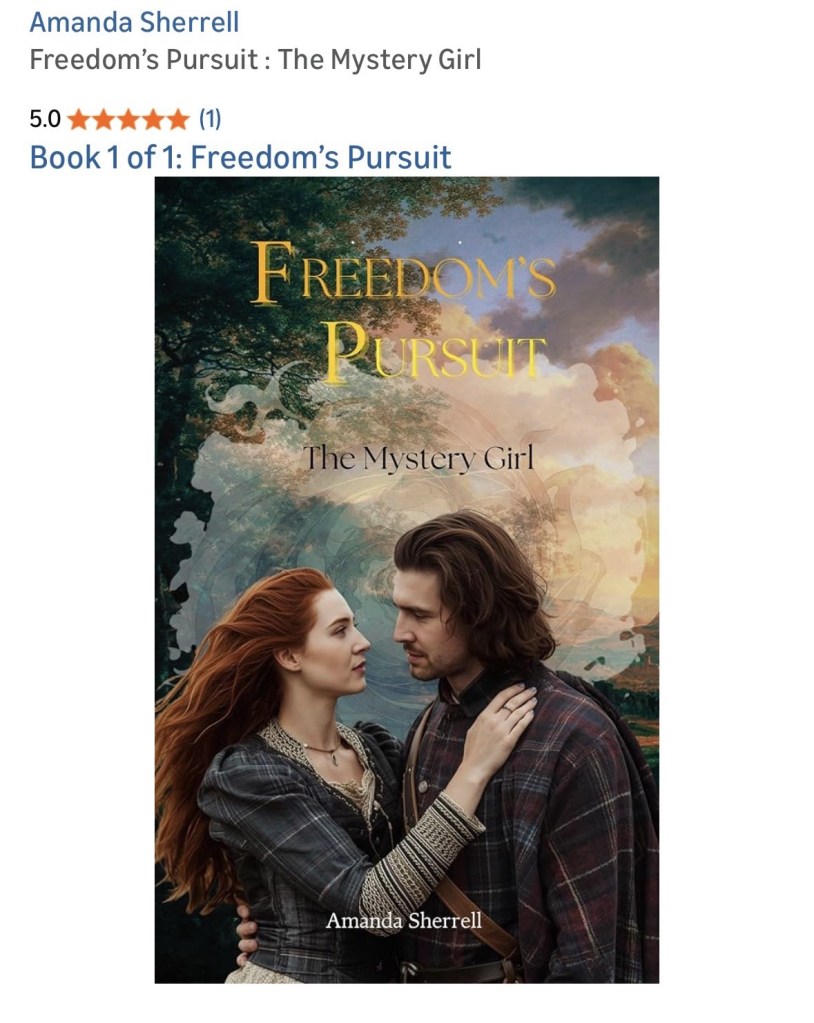
If you’d like to experience the story for yourself, Freedom’s Pursuit: The Mystery Girl is available on Amazon.
If stories like this encourage you, and you would like to help support my writing, research, and future projects, you can always leave a tip through Buy Me a Coffee. Every contribution helps me continue creating faith-centered stories, thoughtful blog posts, and meaningful work like Freedom’s Pursuit. Your support truly means more than you know, and I am deeply grateful for every reader who chooses to come alongside this journey.

 Country Girl Gone City
Leave a comment