

There’s a strange mindset rising among today’s under-25 generation. I see it everywhere—online, in conversations, in the cultural undertone of this era. Many believe that the Baby Boomers “had it easy,” that their childhoods were somehow freer, simpler, and better than the lives young people experience today. They envy that freedom, imagining sunlit streets, barefoot summers, and endless time to explore. But this modern envy is built on a fundamental misunderstanding. The Boomers didn’t grow up in an age of ease; they grew up in an age of survival. Their freedom wasn’t a luxury—it was a necessity.
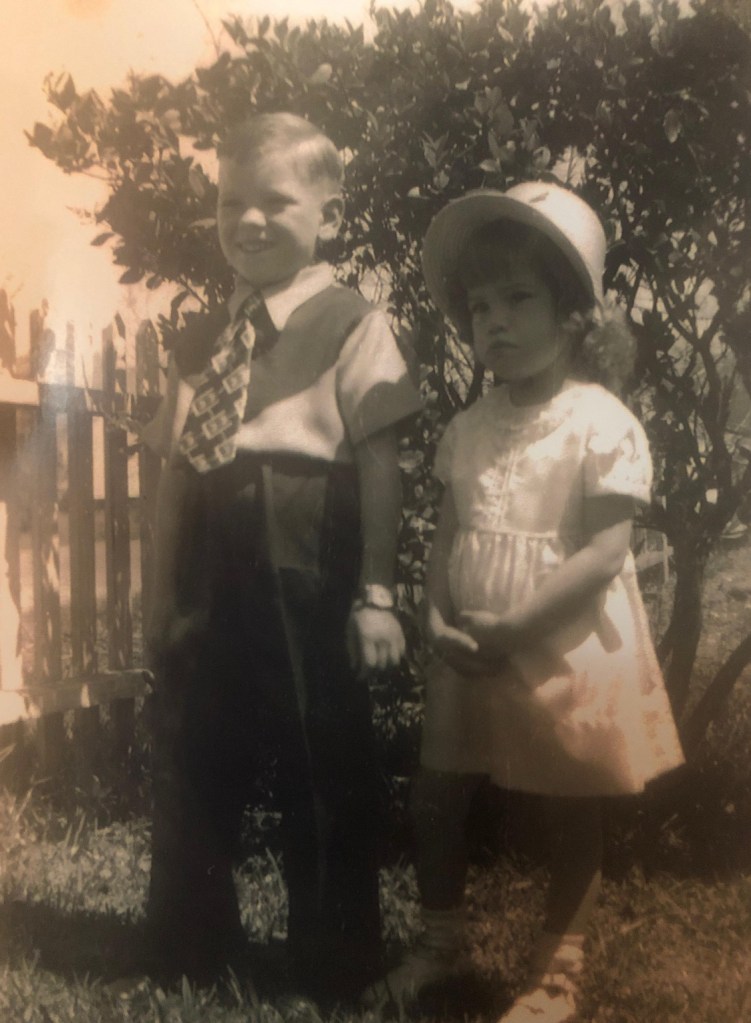
My own father’s story makes that clear. He was born in 1947, but his life was shaped by grief and grit from the beginning. His father—my grandfather—was born in 1885 and passed away when my father was only ten years old. Suddenly, childhood vanished. My father and his younger sister had to raise themselves while their mother worked around the clock just to put food on the table. There were no scheduled playdates, no color-coded calendars, no sports leagues, no “gentle parenting,” no constant supervision. Life required resilience, responsibility, and quick growing up.
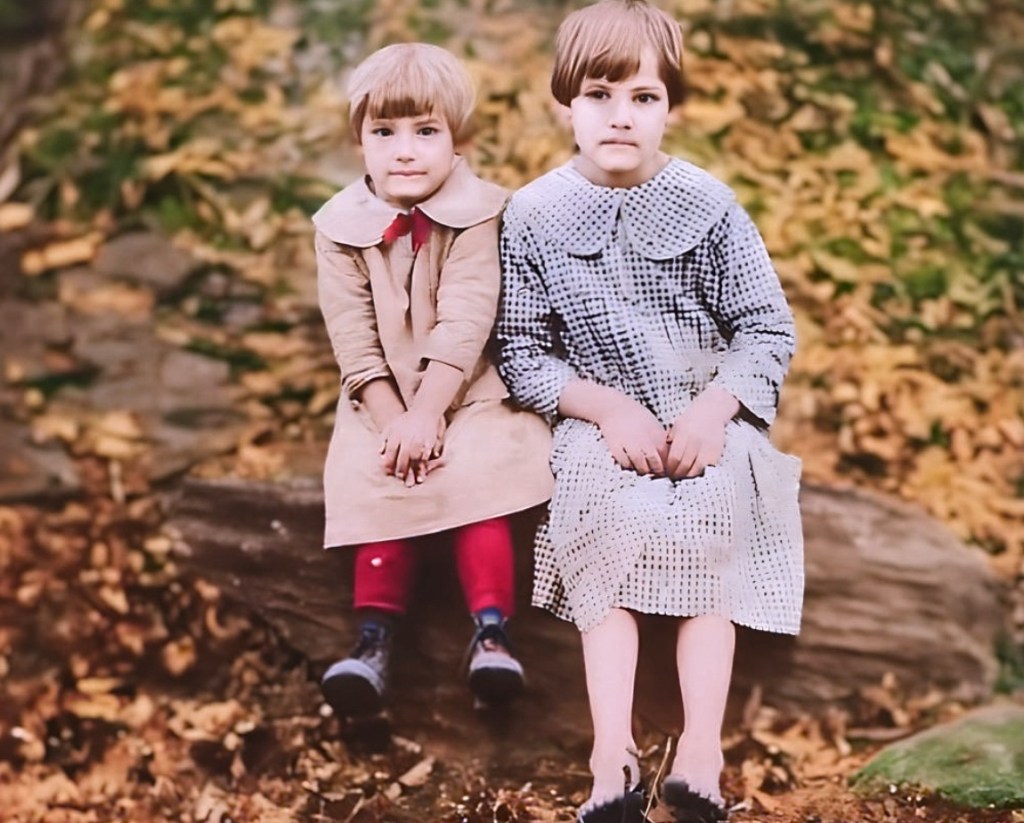
My grandfather had been an inventive engineer for the railroad. He designed boilers for luxury railroad liners—work that gave the family just enough stability to afford something extremely rare in Jacksonville, Florida at that time: a refrigerator. Most families still relied on iceboxes, and hardly anyone in the city could afford a modern appliance like that. Whenever my granny told the story, her whole face lit up. She had grown up in the Appalachian Mountains with barely enough clothes, most years without shoes. Owning a refrigerator was like stepping into the future. It was the single greatest luxury she ever had, and after my grandfather died, that refrigerator helped her keep food fresh through the hardest years she ever faced.

And then came Vietnam.
My father was drafted into the Army, and my granny—fearing what she already knew too well about war—acted immediately. She marched him straight to the Navy recruiter and signed him up instead. She wasn’t trying to avoid his service; she was trying to save his life. And in the years that followed, I have no doubt that her prayers played a part in doing exactly that.
Basic training was brutal. The Navy sent him to Michigan in the dead of winter. He told me stories of standing outside in the snow at two o’clock in the morning, his breath freezing in the air as he waited for breakfast under nothing but a mesh tent. Those were not the conditions of a generation indulged—they were the conditions of a generation hardened.
And Vietnam was worse.
One night, my father received orders to carry a platoon of troops upriver. He boarded the boat, carried out his mission, and did what he was trained to do. That boat was attacked.
Everyone on board died except for him.
Every single man.
My father was the lone survivor.
He always said he had no logical explanation for why he lived—except the prayers of his mother. And I believe that with every fiber of my being. He came home alive, but deeply scarred. The trauma didn’t just mark him; it shaped the generations that followed. But his survival made us stronger, more grounded, and more aware of the preciousness of life than this current culture could ever understand.
Perhaps that’s why it grates on me to see today’s generation romanticize rebellion, stir up division, or flirt with the idea of civil unrest as if it were some kind of aesthetic or edgy trend. They chant about tearing down systems they didn’t build, demand rights without accepting responsibilities, and treat disagreement like a personal attack. They think that shouting equals bravery, that tantrums equal activism, and that chaos equals change.

There is nothing wrong with standing for a cause. But there is something deeply wrong with doing so without tact, without respect, and without even a basic understanding of what the older generations endured to protect the freedoms we have today.
This generation does not understand war.
They do not understand hunger.
They do not understand sacrifice.
They have never buried a brother from the Korean War.
They have never waited for a telegram that might say their son died in Vietnam.
They have never known trauma so deep that it echoes through the children and grandchildren of survivors.
Yet some of them go so far as to suggest civil war, or imagine themselves participating in one—as though war were simply another political statement to slap on social media.
Let me be clear: they do not know what they are asking for.
War strips away every right and comfort they take for granted.
War does not empower.
War does not liberate.
War destroys—and the destruction does not stop with one generation.
When certain political voices claim that “conservatives will strike first,” I can only shake my head. My generation—Gen X—will never be the ones to start a war. But if one ever comes to this land we love, we will be the ones to finish it. Not because we want to fight, but because we were raised by survivors. We know what hardship is. We know what sacrifice means. And we know what is worth protecting.
Today’s generation has forgotten its blessings simply because it never lived without them. But the bells of history still ring, warning us that peace is fragile, blessings are not guaranteed, and a nation that forgets its past sets itself up for a catastrophic repeat of it.
☕ If this message resonated with you…
If this post stirred something in your heart—if it challenged you, humbled you, or reminded you of the precious blessings we take for granted—I invite you to support my writing through Buy Me a Coffee. Your contributions help me continue creating faith-rooted, truth-grounded reflections that speak clarity into a confused culture and keep the lessons of history alive.
Together, we can keep the bells of truth ringing.
And they must keep ringing. 🔔

 Country Girl Gone City
Leave a comment