
ChatGPT
In recent years, AI-generated artwork has become a hot topic within the art community, sparking both excitement and concern. With the increasing accessibility of AI tools, artists are exploring new ways to create by collaborating with algorithms. AI-generated art raises fundamental questions about creativity and originality: can art made by a machine hold the same value as human-made pieces? While some embrace AI as an innovative tool that can enhance the creative process, others fear that it undermines the personal touch and emotional depth inherent in traditional artwork. Additionally, issues of copyright and intellectual property become more complex as AI programs can replicate styles and produce art that may closely resemble existing works.
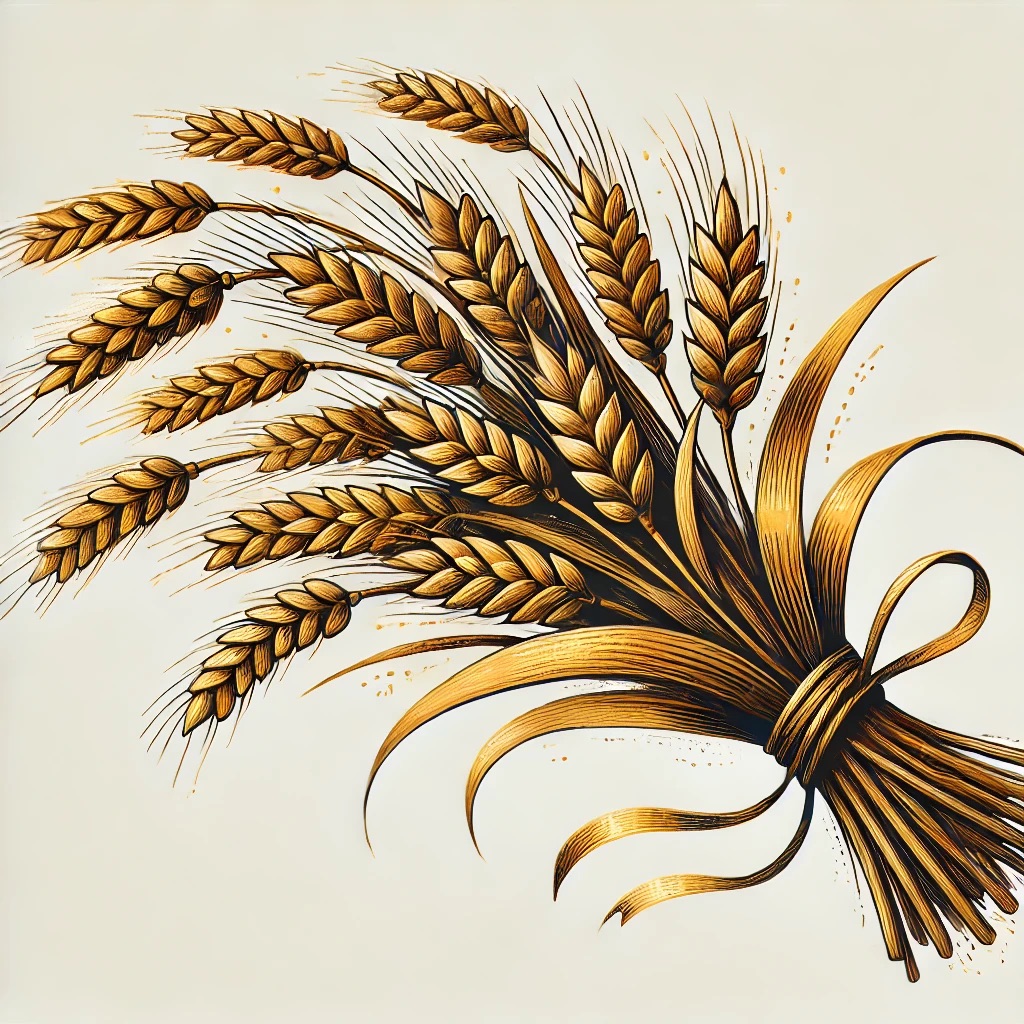
Despite the innovation, critics argue that the essence of art lies in human experience and emotion, elements that machines cannot replicate. Supporters counter by viewing AI as a new medium, like photography or digital painting, that can expand the boundaries of creative expression. The future of art might see a blend of AI and human collaboration, but where this leaves traditional artists and their craft remains uncertain.
In summary, AI-generated artwork is shifting the landscape of the art world. Whether viewed as a threat or an opportunity, it challenges artists to rethink their processes and what it means to create art. As the debate continues, the role of AI in art is likely to evolve, but one thing is clear: the conversation is far from over.
If you’ve enjoyed reading this post, consider supporting my work. You can show your appreciation by tipping me through Buy Me a Coffee or Venmo. Your support helps me continue creating thoughtful content—thank you!

 Country Girl Gone City
Leave a comment