
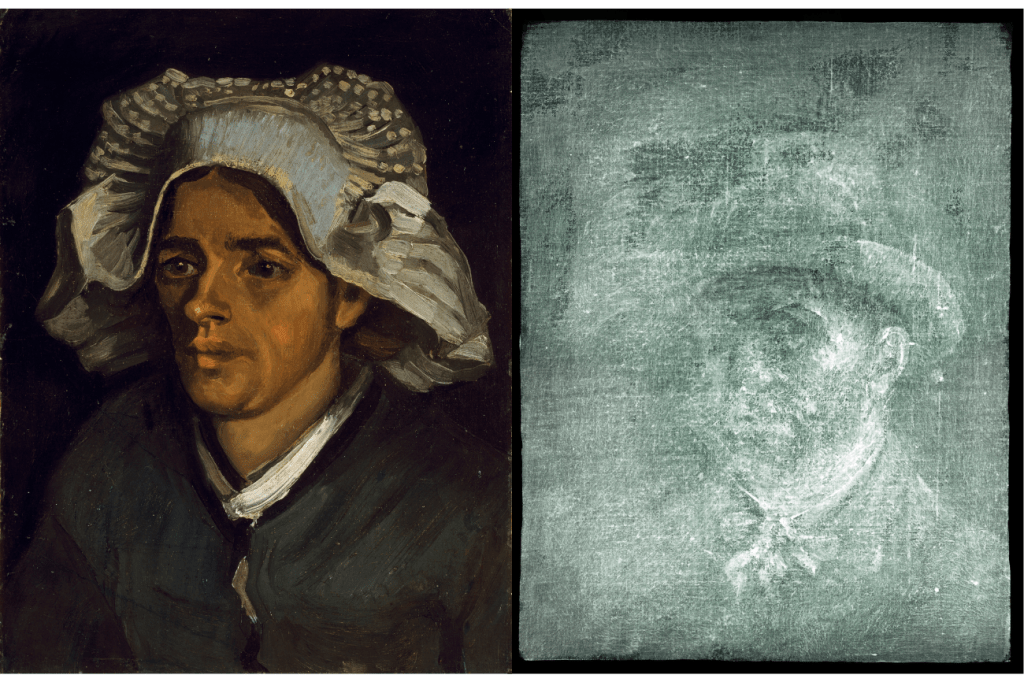
The art world has been buzzing with excitement as recent advancements in X-ray technology have uncovered hidden layers beneath the surface of paintings by masters like Vincent Van Gogh, Pablo Picasso, and Edgar Degas. These findings reveal not just hidden images, but also provide deeper insights into the artists’ creative processes and evolution.
For example, beneath Van Gogh’s “Patch of Grass,” an X-ray revealed a hidden portrait, demonstrating how the artist often repurposed canvases, possibly due to financial constraints or simply as part of his evolving artistic expression. This discovery offers a unique glimpse into Van Gogh’s early style and experimentation, showing how he refined his techniques over time.
Similarly, an X-ray examination of Picasso’s “La Vie” uncovered an entirely different composition hidden beneath the final painting. This discovery not only sheds light on Picasso’s creative journey but also highlights the transformative decisions that led to his iconic style. It is a reminder of the iterative process of art, where even the great masters continually reworked their ideas before arriving at a final composition.
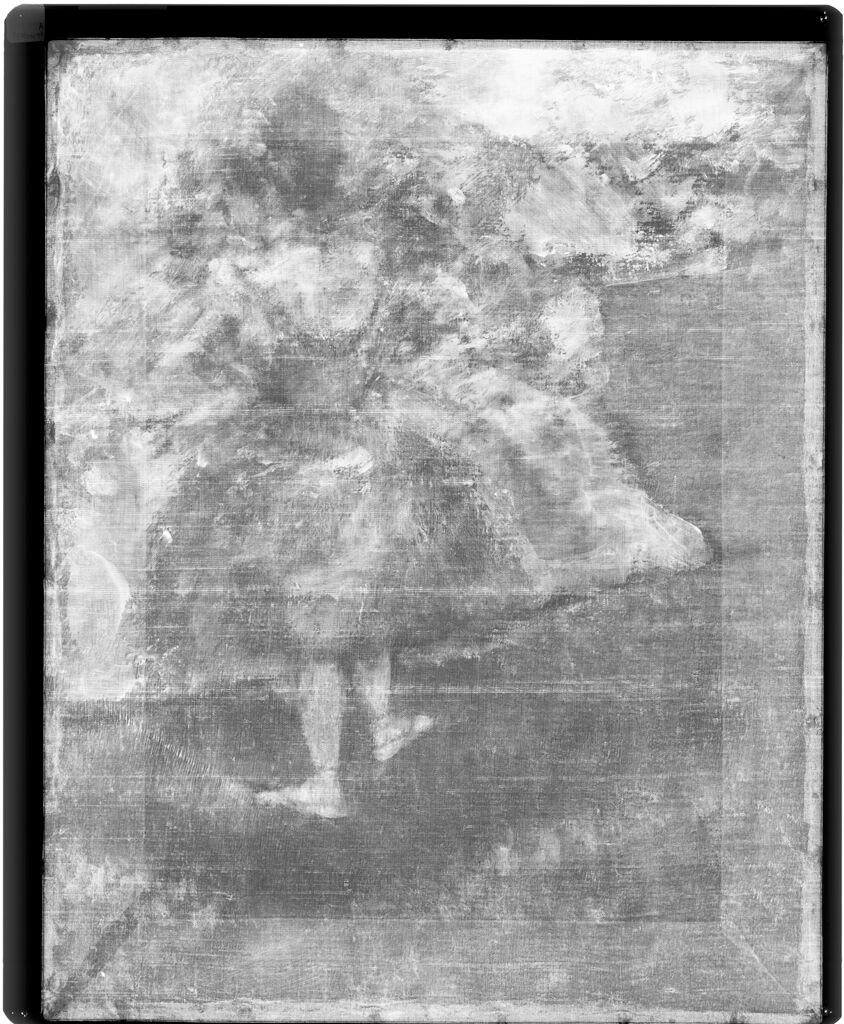
Degas, famous for his ballerina paintings, also left behind hidden sketches and earlier versions of his works. These X-rays reveal his relentless pursuit of perfection and the many stages his pieces underwent before reaching the final masterpiece. This discovery allows art historians and enthusiasts to better understand the meticulous nature of Degas’ work and the effort he put into achieving the fluidity and grace seen in his dancers.
These X-ray revelations are more than just technical feats; they enrich our understanding of these artists’ lives and work. By peeling back the layers of their paintings, we gain an intimate view of their creative struggles, their decisions, and their growth as artists. It’s fascinating to consider that many more hidden masterpieces may still be waiting to be discovered beneath the surface of well-known paintings.
In closing, the use of X-ray technology in art conservation and study is revolutionizing our appreciation of the world’s most famous artworks. These discoveries offer us a new perspective on the creative minds behind these pieces, reminding us that art is as much about the process as it is about the final product.
If you found this post intriguing, I invite you to support my work by tipping me on Venmo or Buy Me a Coffee. Your contributions help me continue to share these captivating art discoveries with you.


 Country Girl Gone City
Leave a comment