The art world is abuzz with exciting trends and innovations in 2024, reflecting the dynamic interplay between technology, creativity, and inclusivity. Here’s a look at what’s capturing the attention of artists, curators, and art lovers alike.
Digital art continues to gain momentum, with augmented reality (AR) leading the charge. Artists are creating virtual installations and immersive experiences, allowing viewers to interact with art in unprecedented ways. This trend is not just expanding the canvas but transforming the entire experience of art. According to The Art Newspaper, AR is becoming a significant tool for storytelling and audience engagement [1].
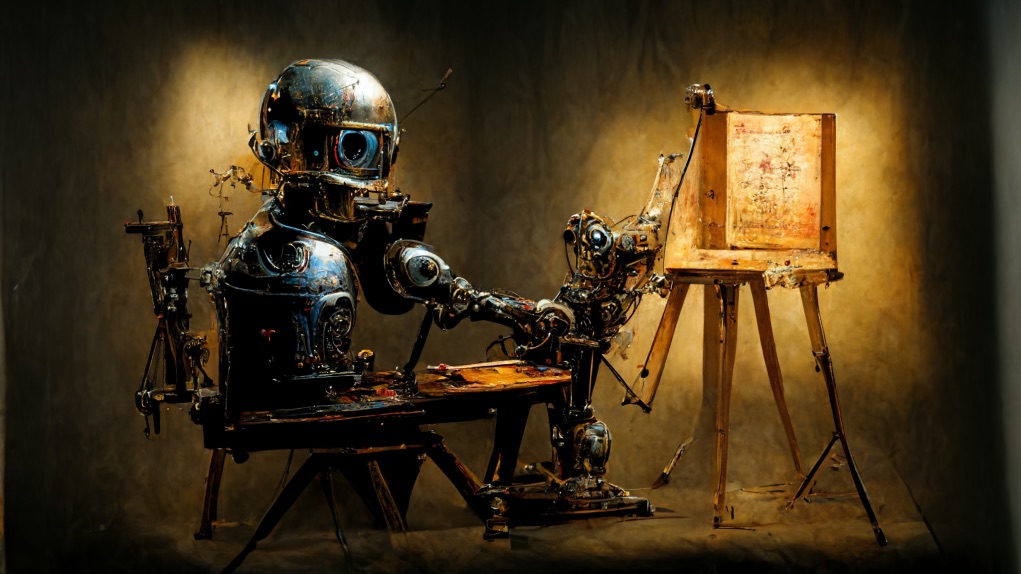
Artificial intelligence (AI) is revolutionizing artistic practices, serving as a collaborator rather than a mere tool. Artists are using AI to generate unique artworks, challenging traditional notions of creativity. This raises intriguing questions about the role of AI in art and the evolving relationship between human and machine creativity. The Art Market Monitor highlights how AI is expanding the boundaries of artistic expression [2].
Platforms like the Venice Biennale are crucial for spotlighting emerging and rediscovered artists. The 2024 Biennale, curated by Adriano Pedrosa, promises to introduce significant new names and themes. Such events often propel artists into the spotlight, significantly influencing trends and the art market [3].
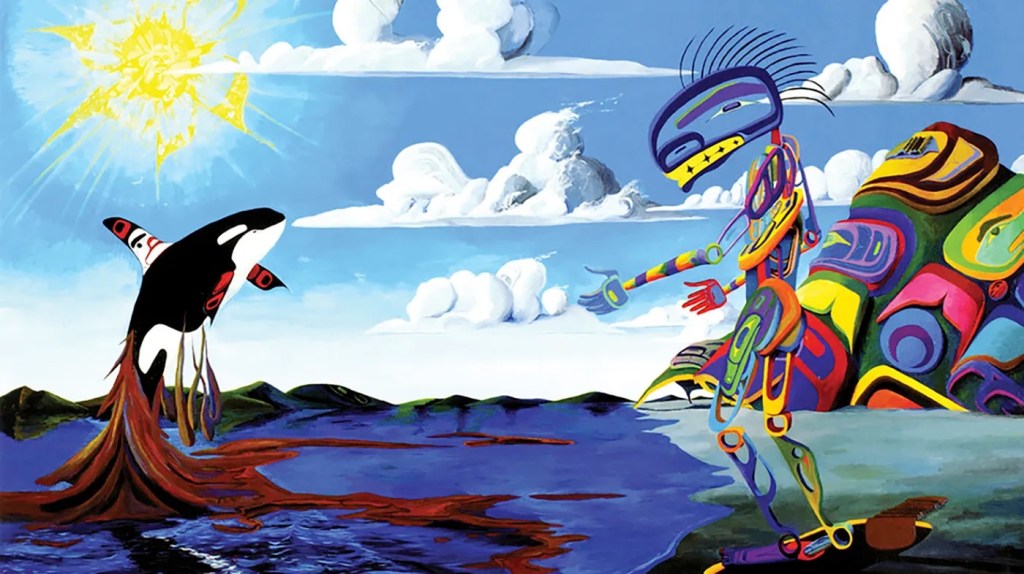
There is also a growing recognition and appreciation of Indigenous art, with institutions and galleries increasingly featuring Indigenous artists. This movement towards inclusivity and diversity addresses historical underrepresentation and brings new perspectives to the forefront. The Guardian recently noted the broader movement towards inclusivity in the art world [4].
As technology becomes more integrated into art, ethical concerns regarding privacy, data security, and AI biases are becoming more prominent. The art community is called to balance innovation with responsibility, ensuring inclusive and transparent practices. This balance is crucial for the sustainable integration of digital advancements in art [5].
Post-pandemic, galleries are adopting a hybrid approach, combining digital and physical strategies. This model is essential for reaching new audiences and maintaining a dynamic presence in the evolving art landscape. As highlighted by The Art Newspaper, this approach is vital for the future of galleries [6].
The art world in 2024 is an exciting blend of tradition and innovation, driven by technological advancements and a push for greater inclusivity. As artists and audiences navigate this evolving landscape, new ways to create, experience, and appreciate art are continuously emerging.
If you find this insight into the latest art trends helpful, consider supporting my work with a small donation of 99 cents via Cash App at $AmandakSherrell or Venmo at @CountryGirlGoneCity. Your support helps me continue exploring and sharing these fascinating developments in the art world.
Sources:


 Country Girl Gone City
Leave a comment