

In the book of Genesis, it says that God said, “It is not good for man to be alone.” This timeless truth underscores the importance of companionship and support in our lives. For many, especially those who face challenges like Autism, PTSD, anxiety, and depression, having the right support system is crucial. When human support isn’t enough or isn’t available, an emotional support animal (ESA) can make a significant difference.
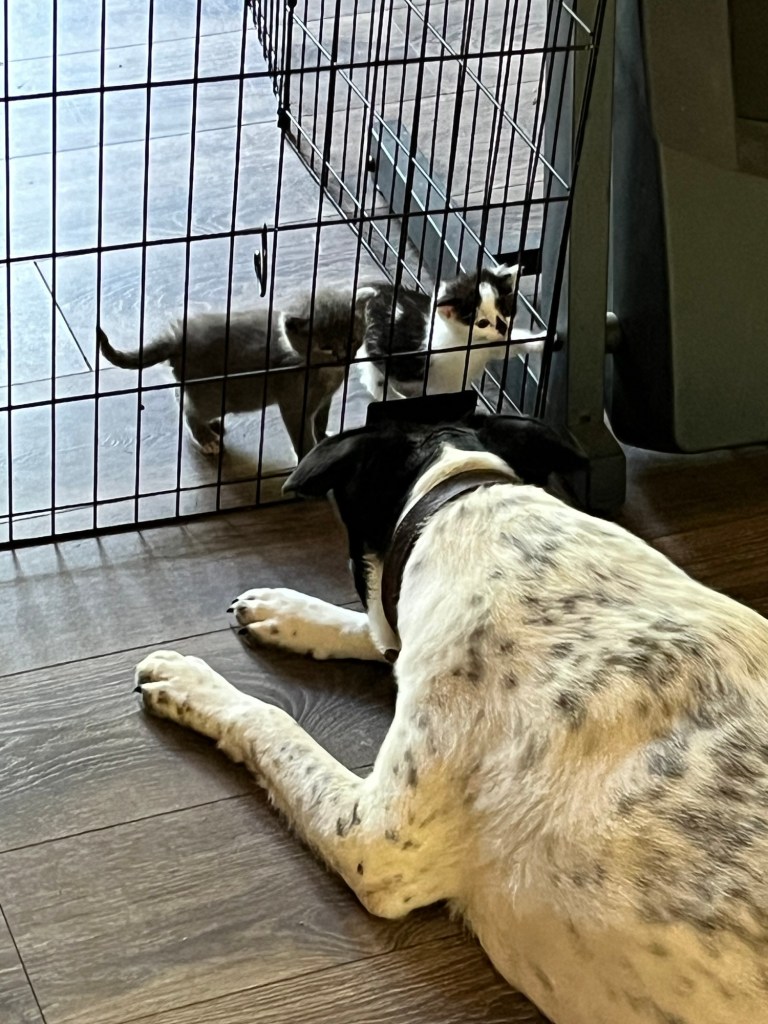
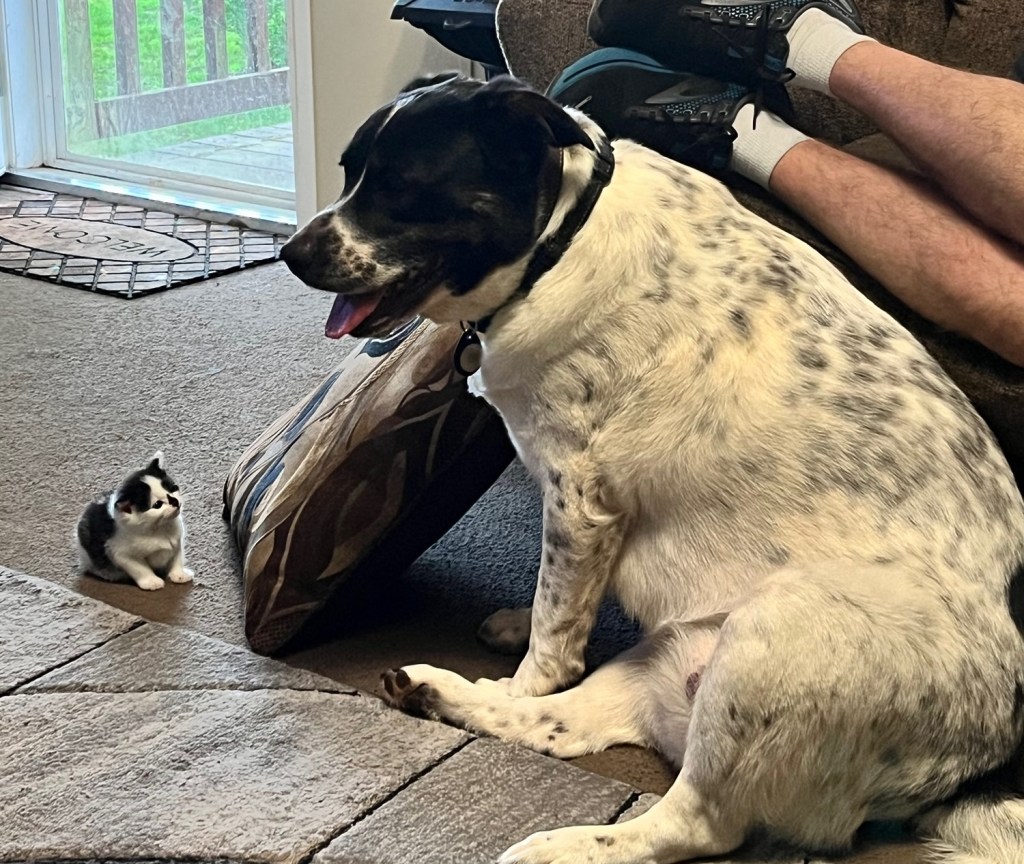
For many, a well-trained dog can meet their needs in remarkable ways. These animals are not only loyal companions but can also be trained to perform tasks that help manage their owner’s specific conditions. My husband Dexter, for instance, thanks the Lord every day for his dog Chenille. She’s an English Pointer and Bulldog mix, and while she was a challenge as a puppy, with the right training, she has become an indispensable part of our lives. Chenille can sense what we need, often even before we realize it ourselves. Whether it’s giving hugs to Dexter or providing stability for me when I have balance issues, Chenille is always there.
Living in the country, I often get overwhelmed by bugs. Chenille knows this and takes it upon herself to deal with any bugs she sees when I’m around. She’s also a tremendous help with my kitten rescues, keeping them clean, herded, and gently correcting them when needed. She helps maintain peace and quiet in our home, which is essential since Dexter and I are both students who spend a lot of time on online learning. In many ways, Chenille reminds me of the dog Nanna from Disney’s Peter Pan—she’s the nanny of our house.

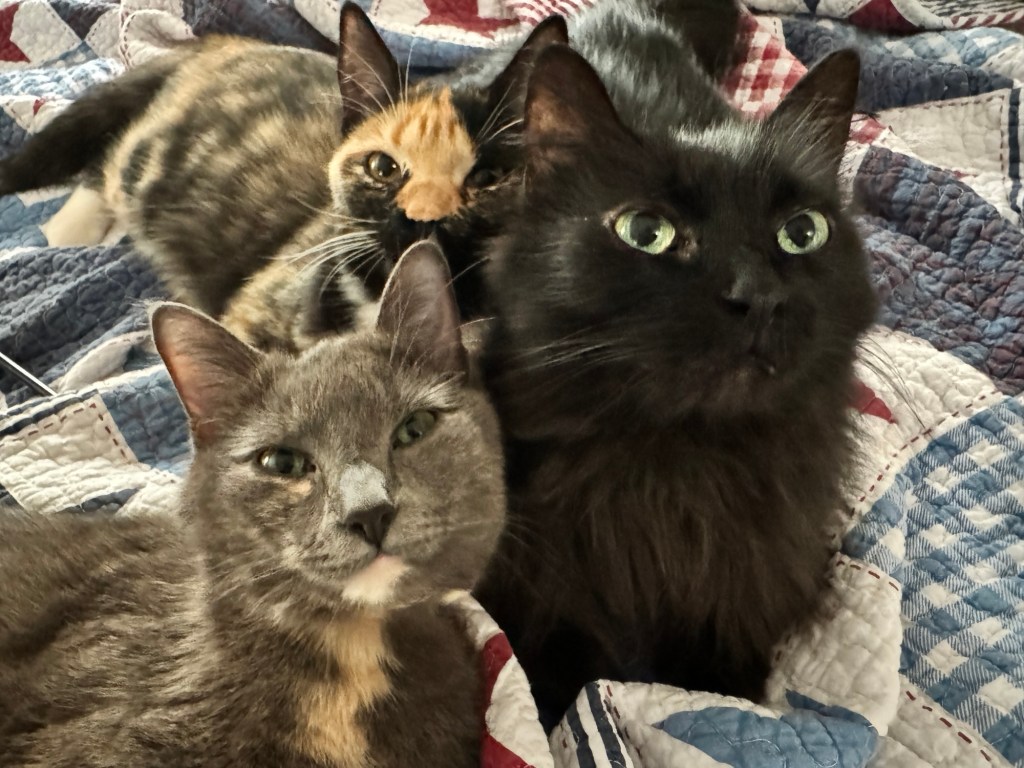
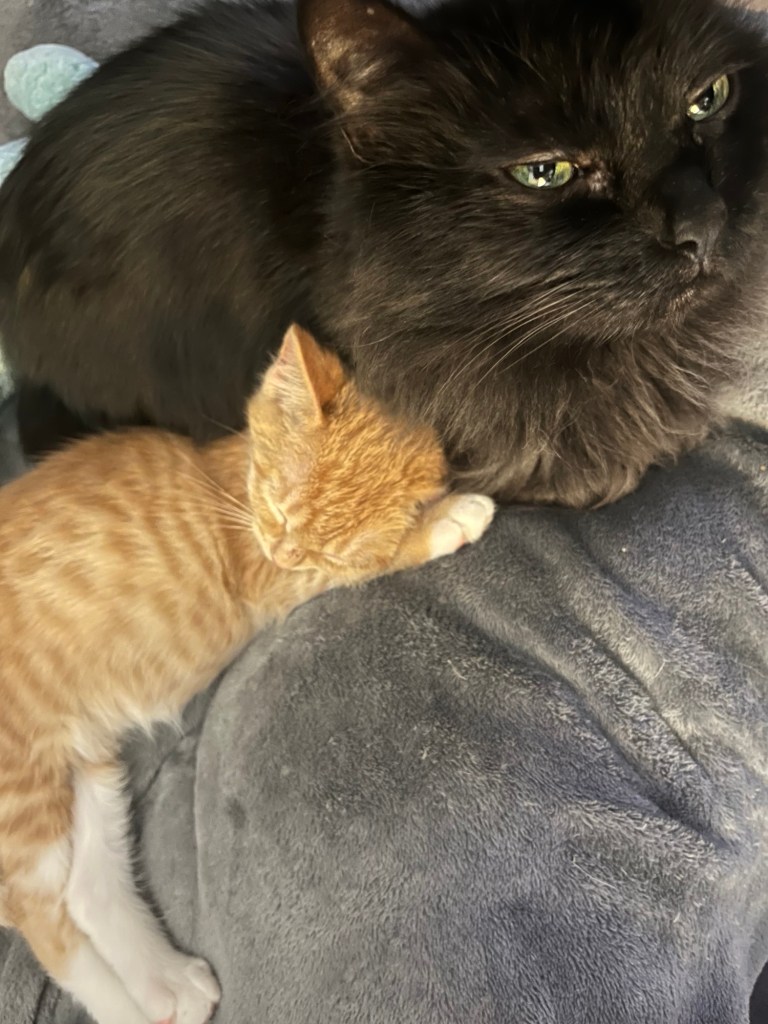
While Chenille is amazing, I don’t know what I would have done without my own cat, Tiffany. Tiffany is a beautiful black Norwegian Forest Cat that I found under my mother-in-law’s barn back in 2012. She has been my perfect match in every way. Over her 12 years of life, Tiffany has cried when I cried and made me laugh with her silliness and clumsiness. She has also stepped up as a mother to the motherless kittens I have brought in over the years, snuggling and loving them.
Animals truly help to complete us and bring joy to our lives in many ways. While they can’t always replace the need for human interaction and companionship, they offer a unique and profound form of support that can be life-changing.
If you or someone you know struggles with mental health or disabilities, consider the companionship of an emotional support animal. They can provide comfort, companionship, and even practical assistance.
For more information on mental health, disabilities, and emotional support animals, check out these articles:
If you liked what you’ve read, please consider sending a tip to my Cash App at $AmandakSherrell or Venmo @CountryGirlGoneCity. Your support is greatly appreciated!


 Country Girl Gone City
Leave a comment